A cataract is a clouding of the natural lens inside the eye. It usually develops slowly with age, but it can also follow an injury, an infection, diabetes or long exposure to strong sunlight. Over time it can make sight blurred or dim, make colours look faded, and cause glare from lights at night.
When a cataract starts to affect daily life, such as reading, working or getting around safely, surgery is the effective treatment. Glasses can’t clear a cataract.
Before surgery
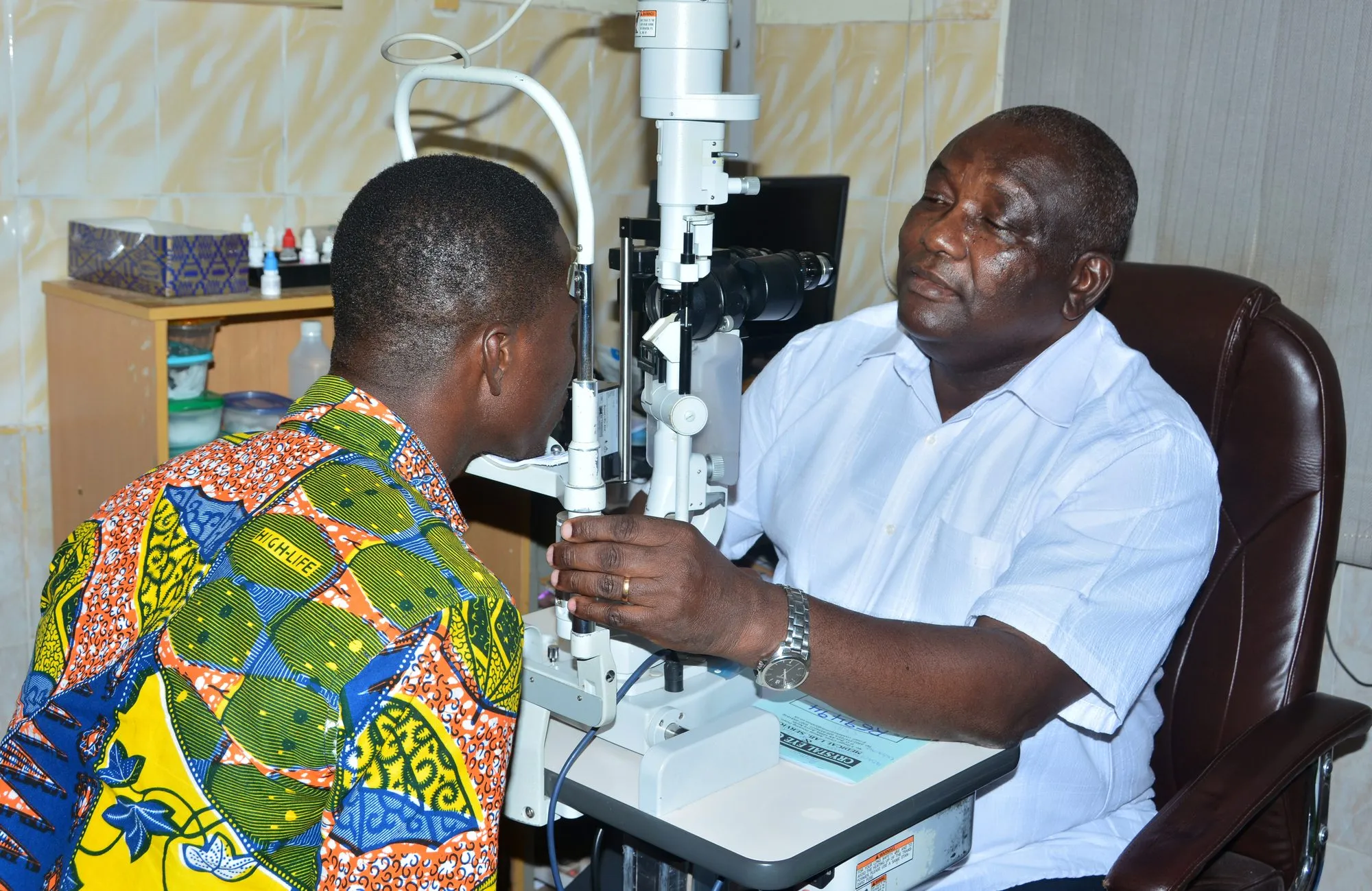
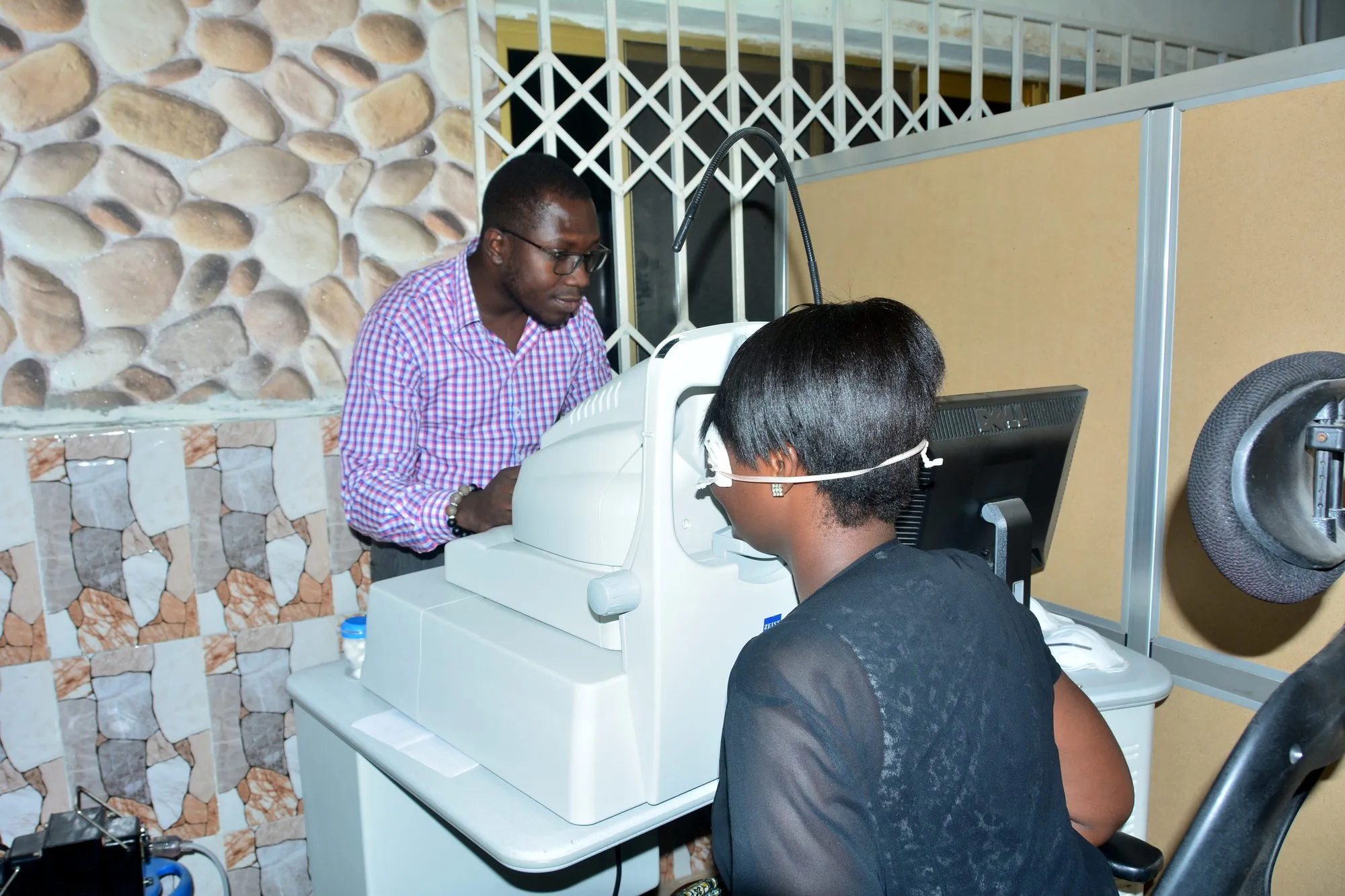
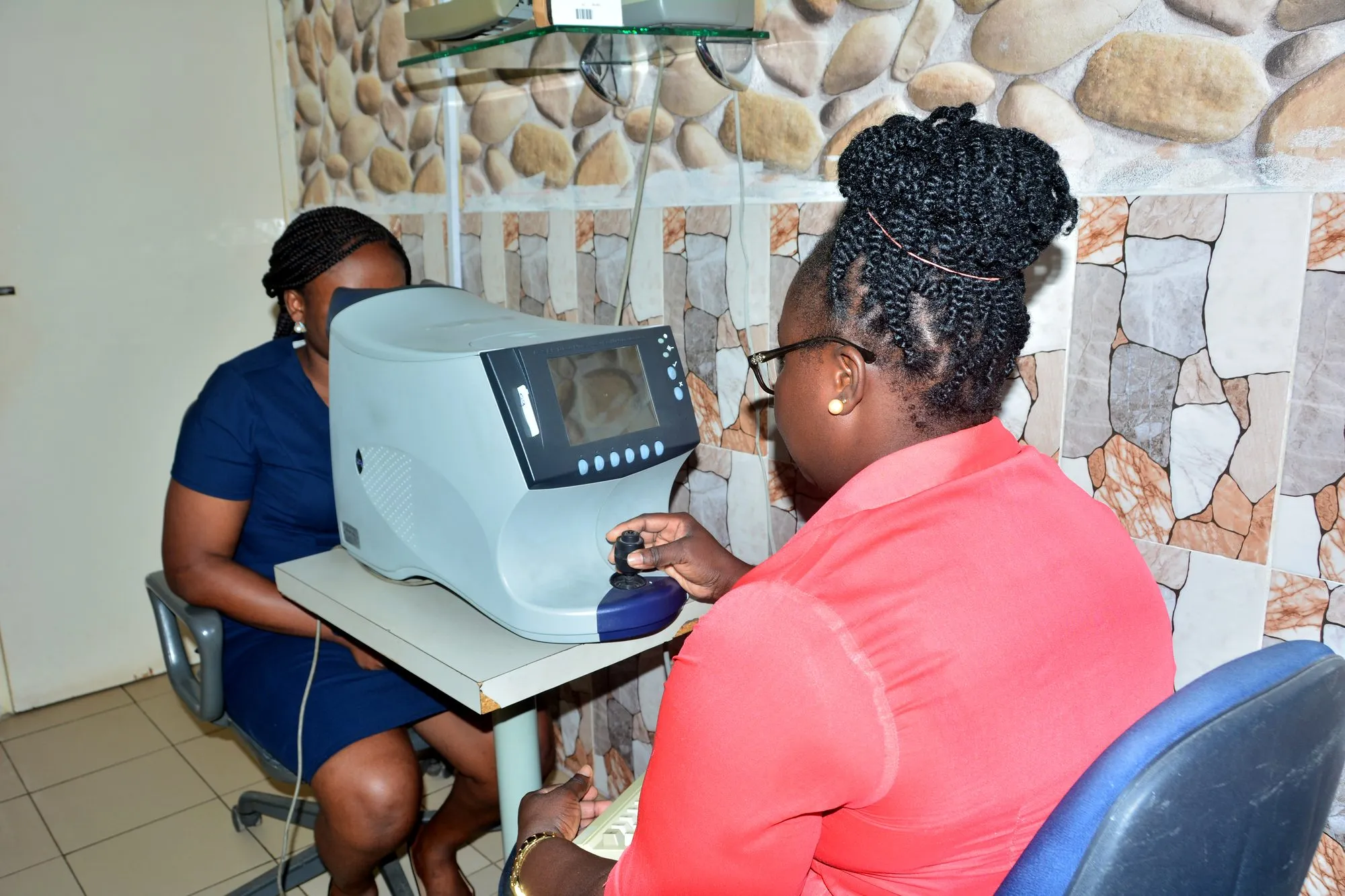
The doctor examines your eyes to confirm the cataract and check for any other condition that might affect your sight. We take measurements of your eye to choose the right power for the artificial lens that will replace your natural one.
The operation
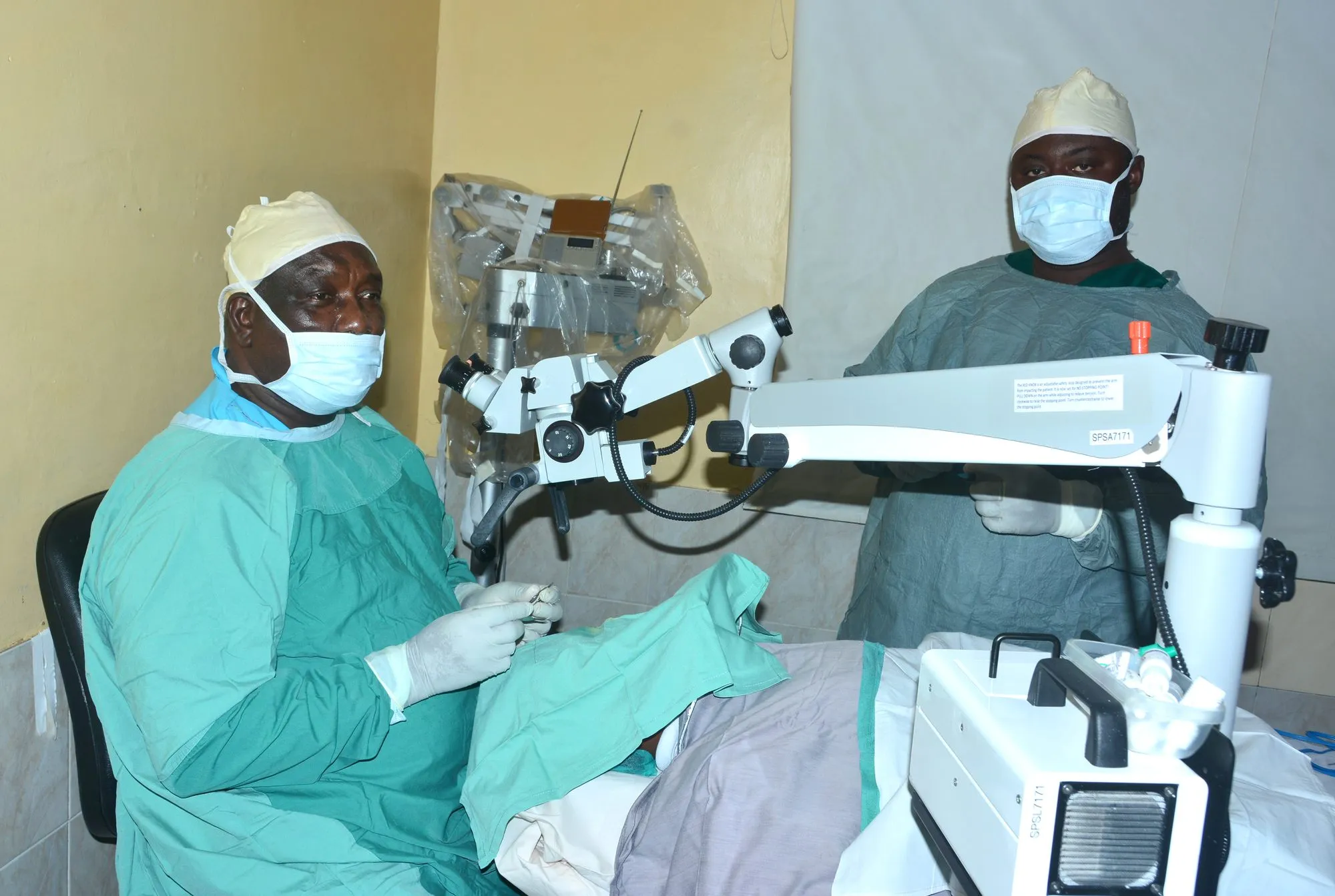
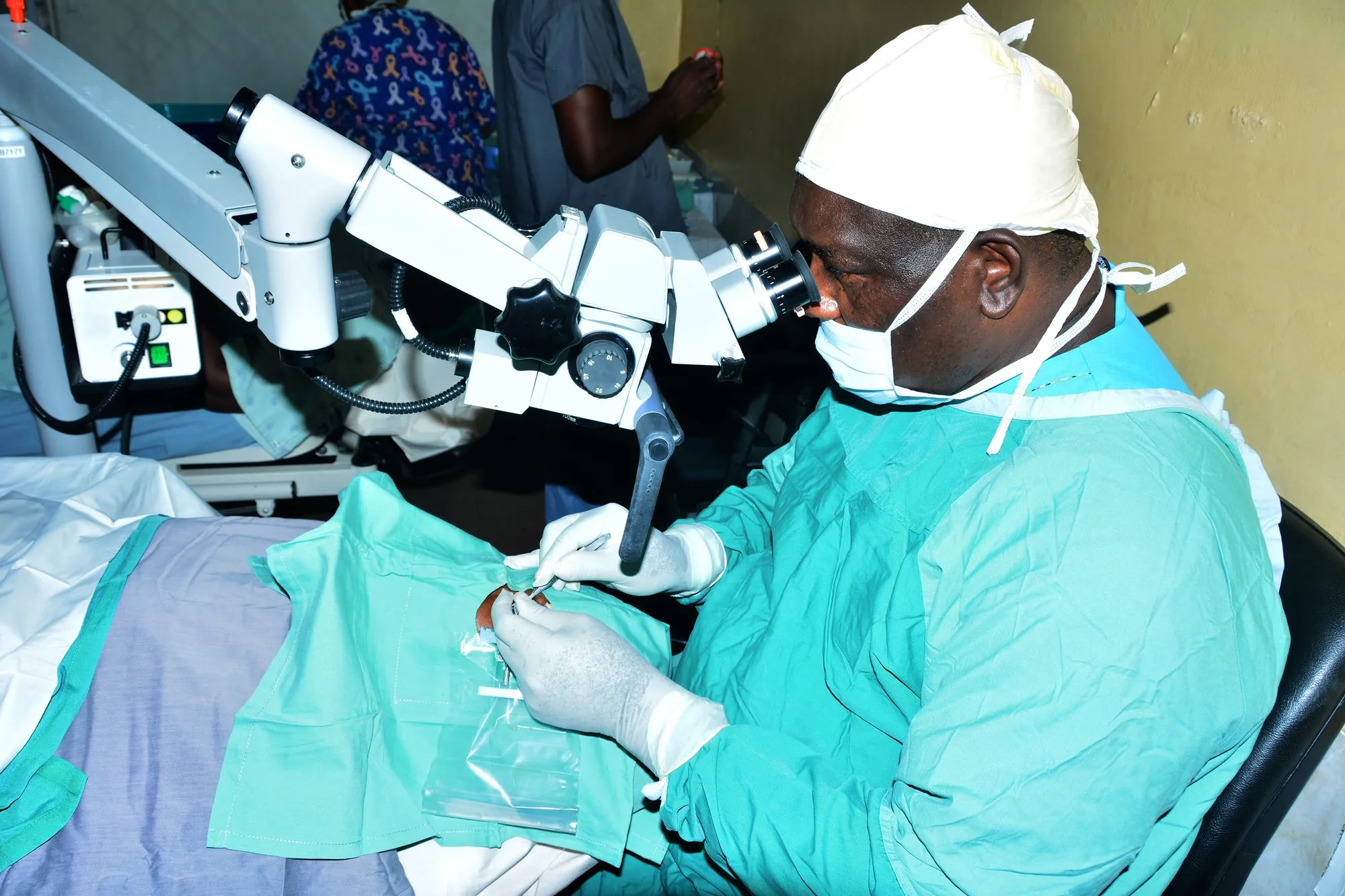
The cloudy lens is removed through a small opening and a clear artificial lens (an intraocular lens) is placed in the eye. The eye is numbed, so the operation is not painful, and most patients go home the same day. You’ll be given eye drops to use for a few weeks, and we’ll see you for follow-up checks.
YAG laser capsulotomy
Months or years after cataract surgery, the thin membrane that holds the new lens can turn cloudy, and sight becomes blurred again. This is common and easy to treat. A YAG laser makes a small opening in the membrane, which clears the vision. It takes a few minutes, needs no cuts and no stay in the clinic.
Every eye is different. Your surgeon will explain what to expect for you, including any risks, before you decide.
Questions before you book? Call reception on 030 251 4723. We’re happy to talk it through.