An eye examination checks two things: how well you see, and how healthy your eyes are. Many serious eye conditions, including glaucoma and diabetic eye disease, cause no pain and no early symptoms. A routine examination is often the only way to find them while they can still be managed well.
What happens during the examination
You’ll read letters on a chart so we can measure your vision at a distance and up close. If you need glasses, we test different lenses until we find the power that gives you the clearest sight. This is called refraction.
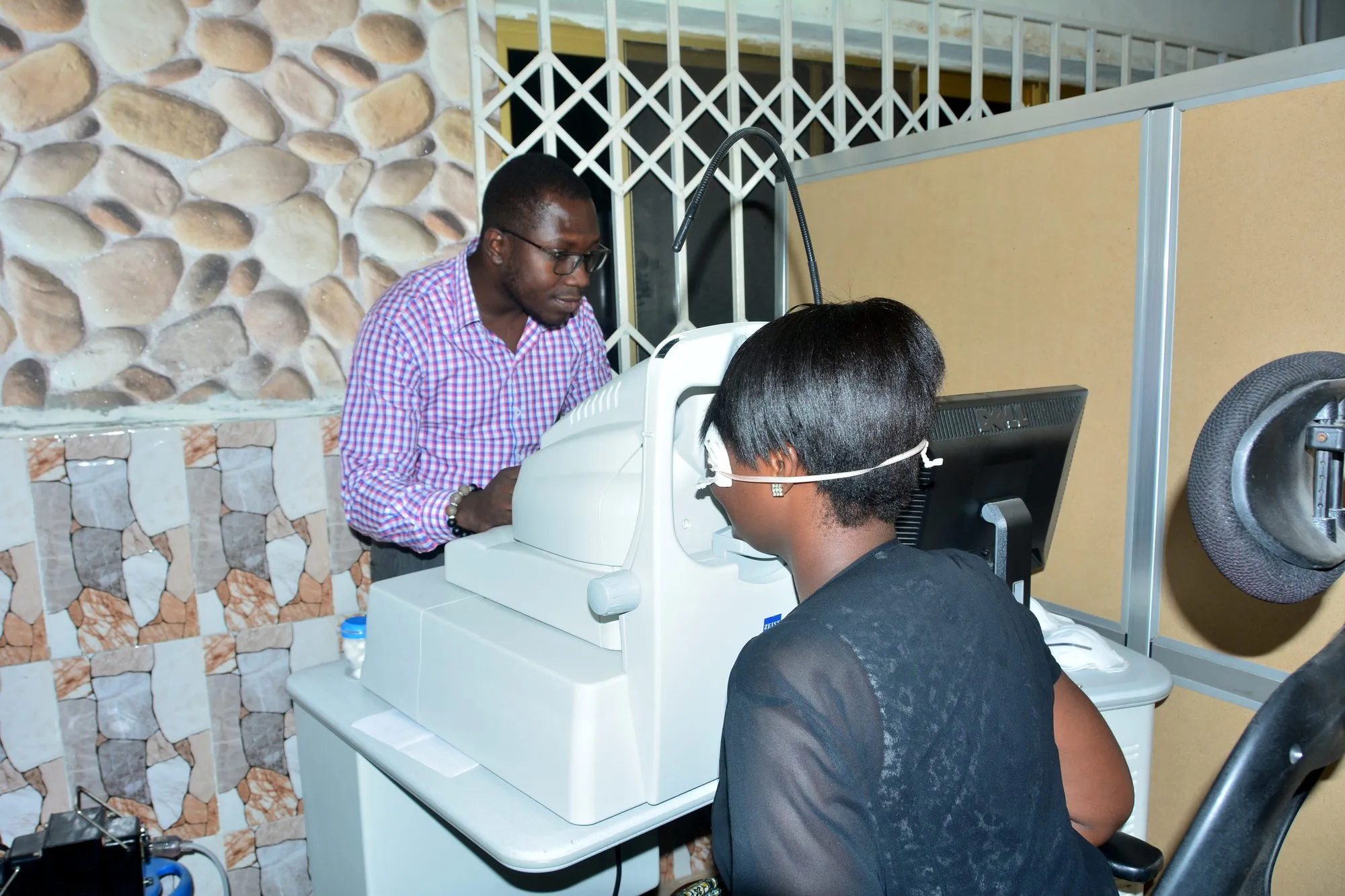
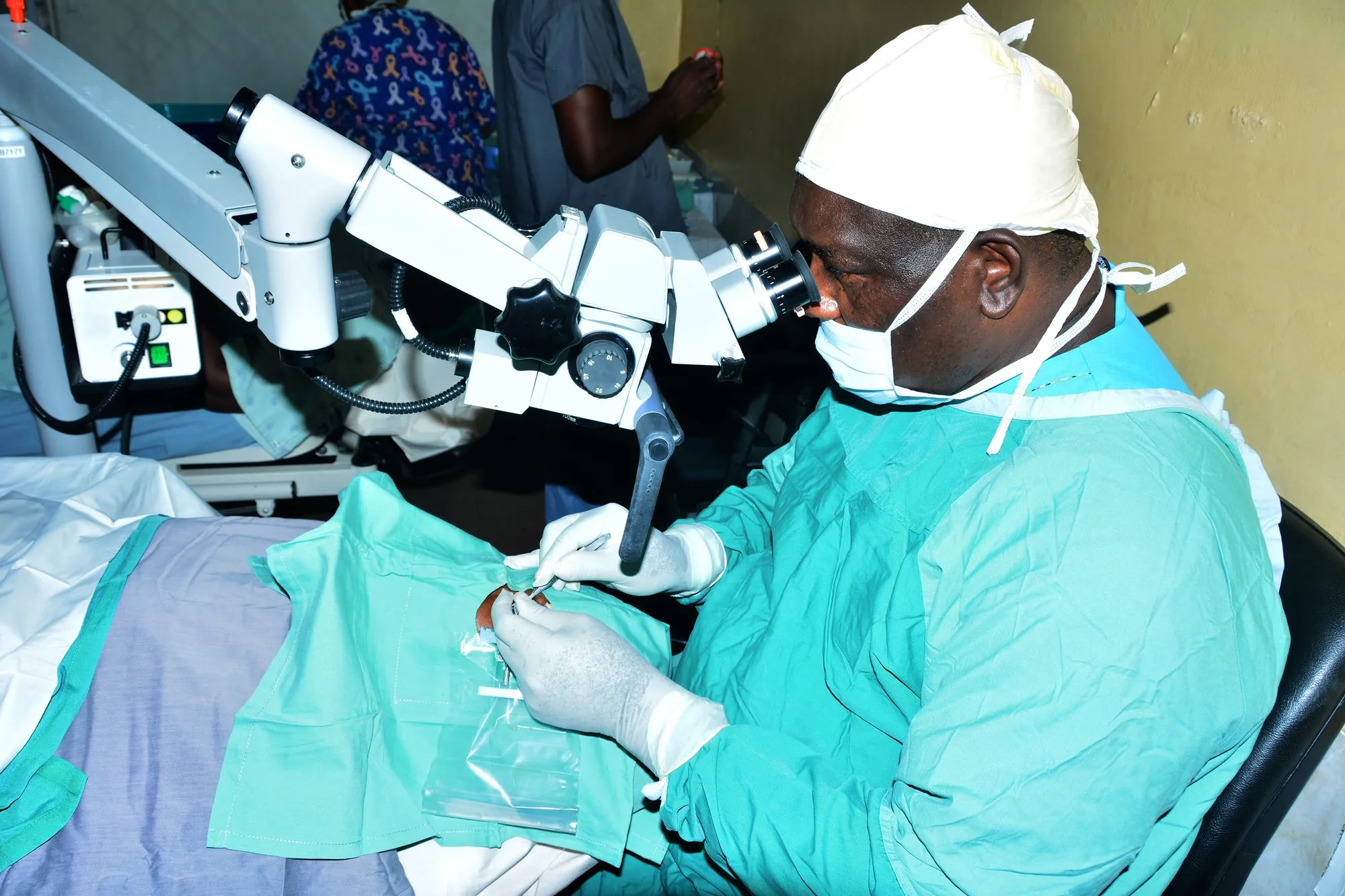
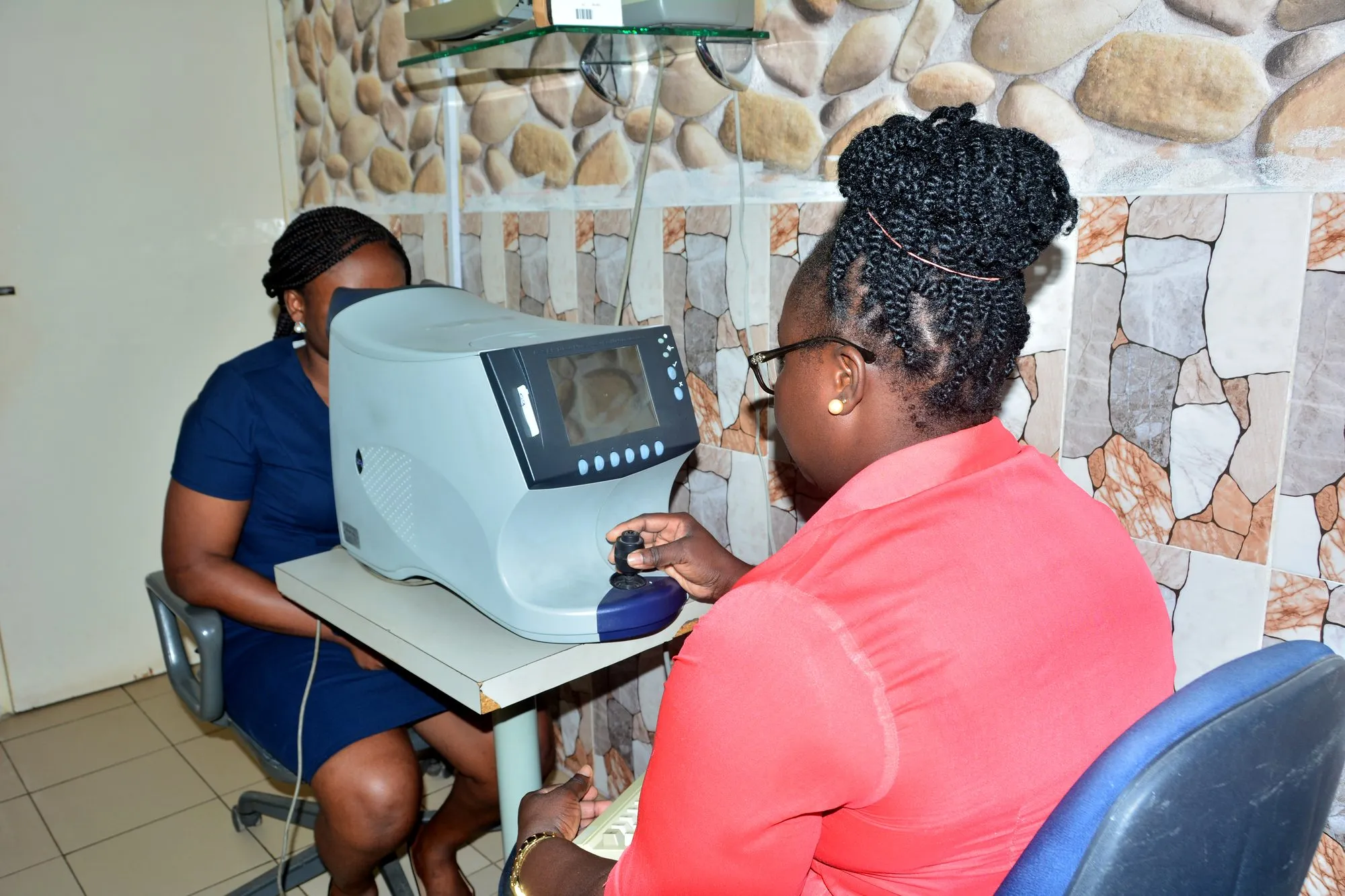
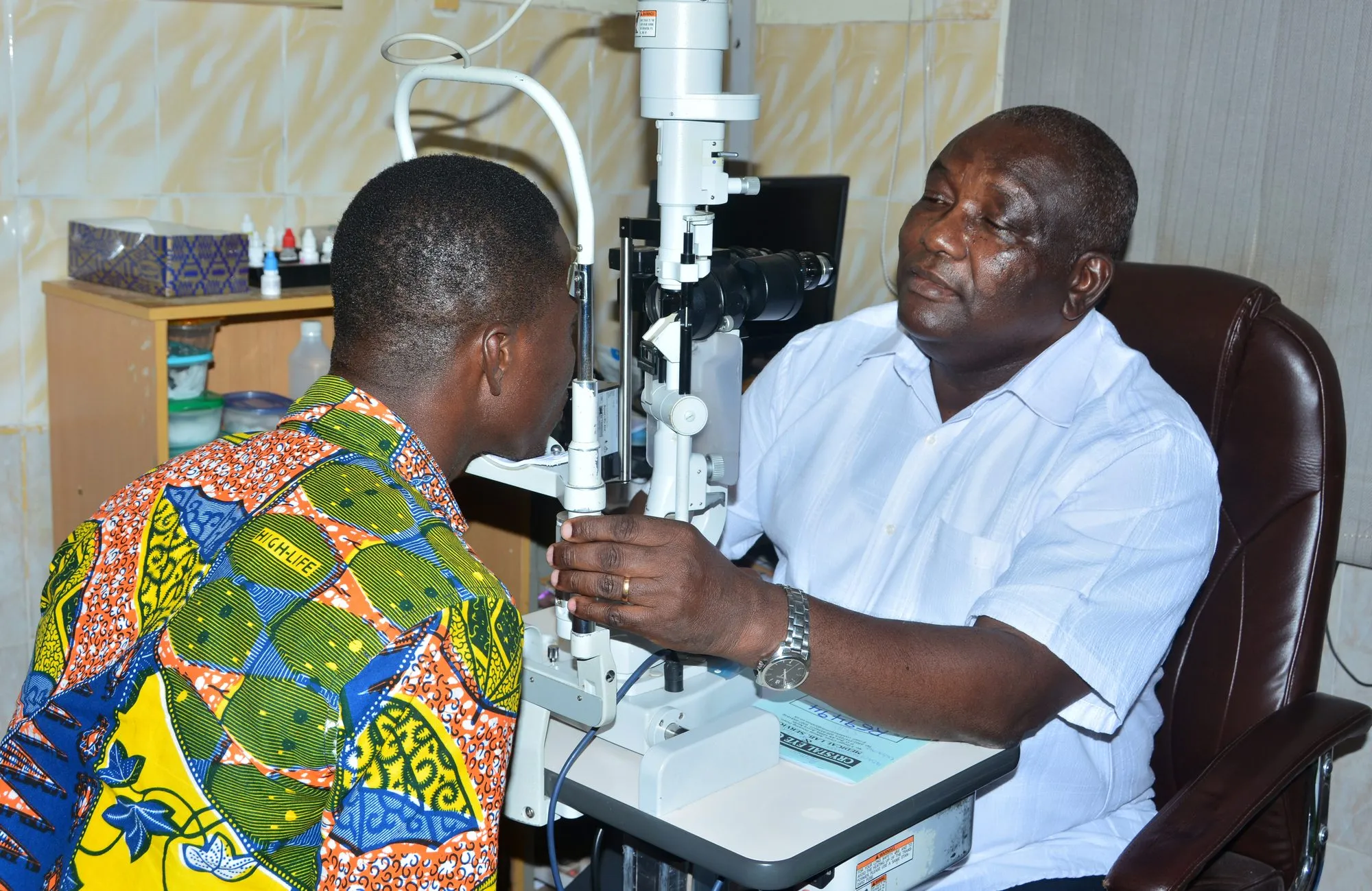
The doctor then looks closely at your eyes with a slit lamp, a microscope with a bright light. This shows the front of the eye, the lens and, with drops to widen the pupil, the retina and optic nerve at the back of the eye. We may also check the pressure inside your eye, which is an important test for glaucoma.
How often should you come?
- If you have any eye symptoms, such as blurred vision, pain, redness or flashes of light, come as soon as you can.
- If you have no symptoms, a check once a year is a good habit.
- If you have diabetes, high blood pressure or a family history of glaucoma, regular checks matter even more.
Before you come
Bring your current glasses or contact lenses, a list of any medicines you take, and your health insurance card. If the doctor uses drops to widen your pupils, your vision may be blurred and sensitive to light for a few hours, so it helps to bring sunglasses or someone to drive you home.
Questions before you book? Call reception on 030 251 4723. We’re happy to talk it through.